Recognition needs to feel meaningful
Six of nine participants were more motivated to use the app if they knew their feedback could help an employee receive recognition in their current role.
Case study · Mobile app
Reimagining how patrons recognize great service through meaningful feedback.
01 · Project at a glance
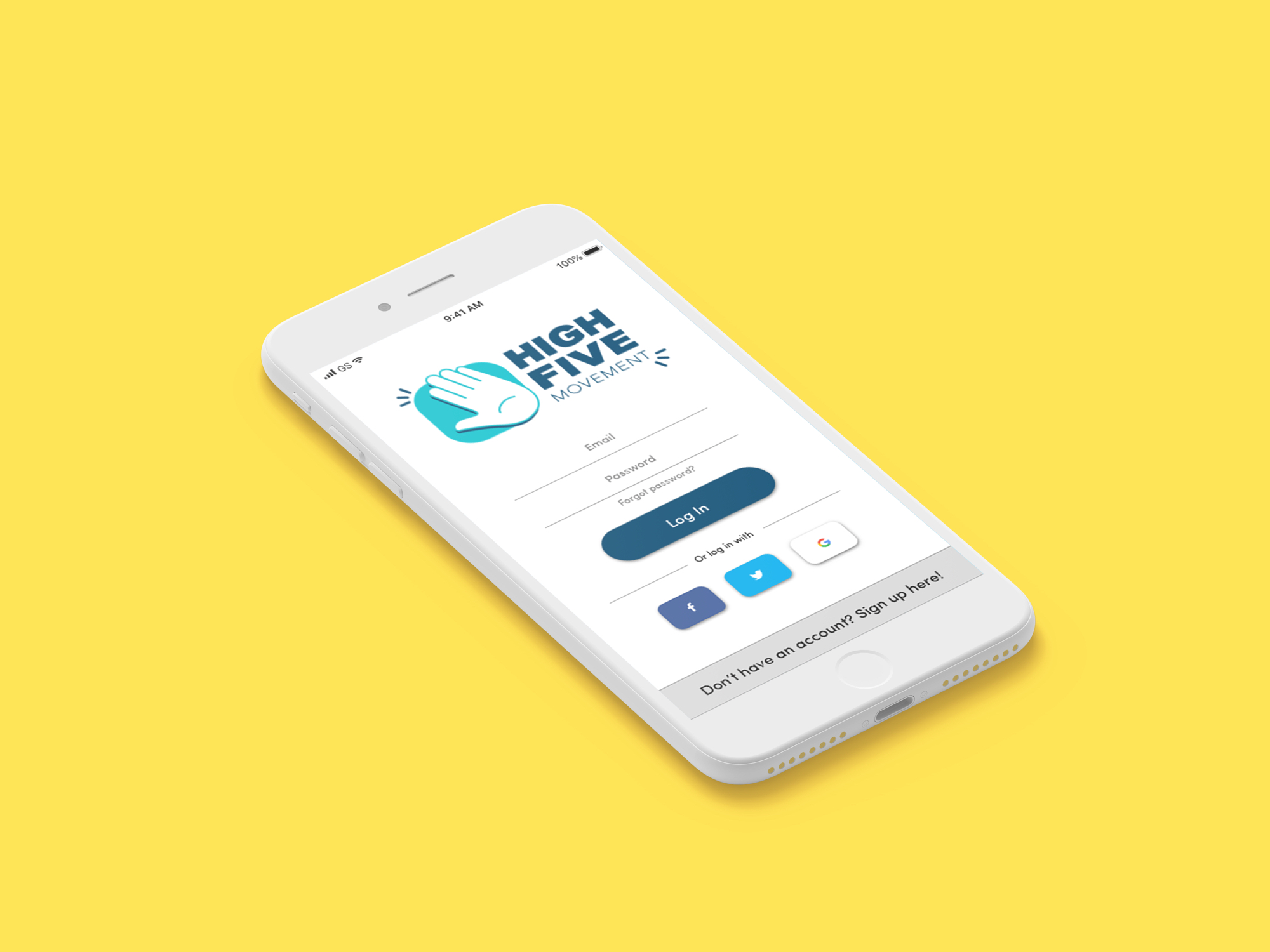
High Five Movement was a positive-only feedback platform that let customers “high five” employees for great service. Our team was asked to evolve the beta experience and explore what would motivate patrons to give meaningful recognition while helping employees carry that recognition with them over time.
02 · The challenge
The product was intended to serve patrons, employees, and businesses, but a four-week sprint made solving for all three unrealistic. We needed to identify where the product could create the most immediate value and what would motivate patrons to recognize an employee after a positive interaction.
Client conversations confirmed a bottom-up adoption model: if patrons and employees found value in the product, businesses could follow. That gave us permission to focus the sprint on the patron experience.
03 · My role
I worked across competitive analysis, user interviews, synthesis, concept development, prototyping, and usability testing. I contributed interaction concepts and flows, participated in client reviews, and used research and testing feedback to refine the experience throughout the sprint.
04 · Understanding the user
We interviewed nine potential patrons to understand what would motivate them to use the app, what information they were comfortable sharing, and what they currently did after receiving exceptional service.
Six of nine participants were more motivated to use the app if they knew their feedback could help an employee receive recognition in their current role.
Users were cautious about how much personal information would be visible and expected the patron profile to remain lightweight.
Participants who had worked in service roles were more likely to understand the value of employee recognition and expressed greater interest in using the product.
05 · Defining the focus
The research pointed us toward an empathetic, altruistic patron—someone motivated by helping others succeed and frustrated when good work goes unnoticed. We used that mindset to give the project a more specific audience and a clearer design target.

Primary persona
Make a positive impact, no matter how small.
Watching exceptional customer service go unappreciated.
“There’s nothing worse than work unnoticed.”
The empathetic, altruistic patron needs reassurance that their positive feedback has been received by both the employee and their higher-ups because they understand what it is like to work hard and not receive recognition.
From the problem statement, we created three principles to guide concept generation and testing.
Encourage patrons to contribute to a positive feedback loop rather than another public rating system.
Reduce friction so giving recognition feels lightweight enough to do in the moment.
Reassure patrons that their feedback reaches the employee and feels worth the effort.
06 · Exploring & testing concepts
We translated the research into paper concepts around speed, continued use, unlisted employees, and feedback confirmation, then tested them with five potential patrons before moving into higher-fidelity design.
Discovery & employee selection
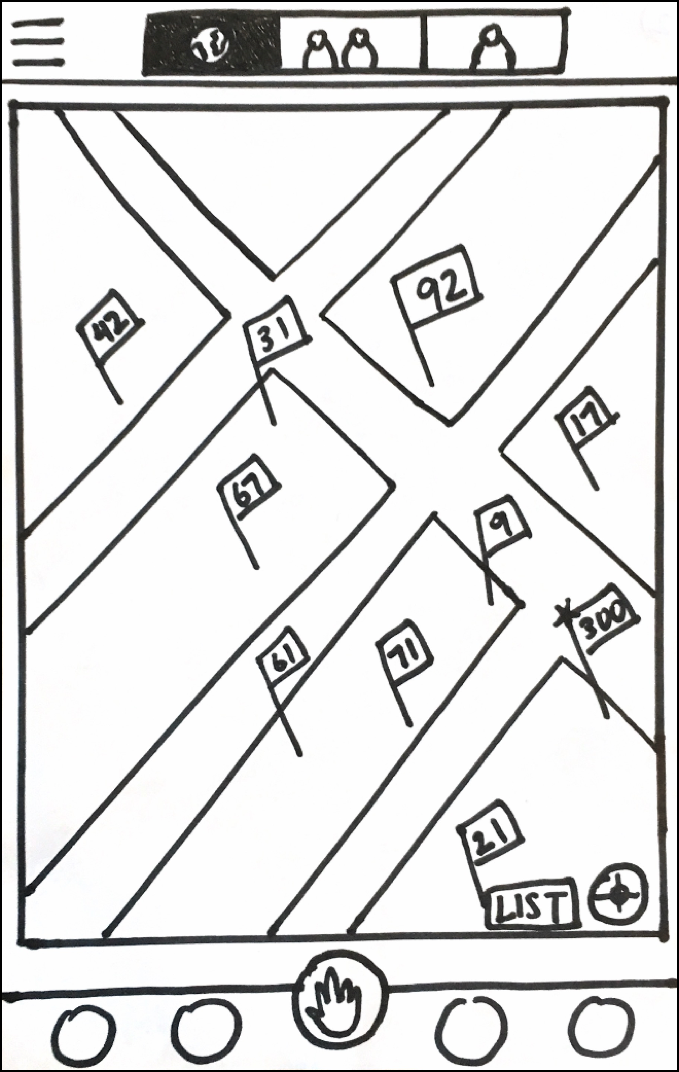
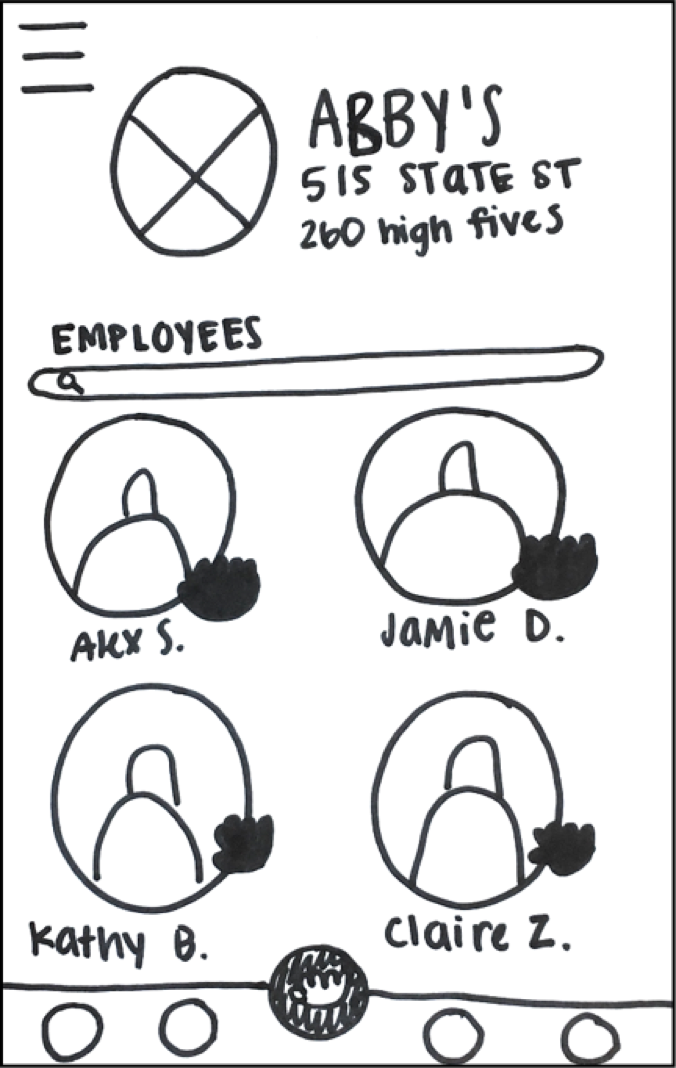
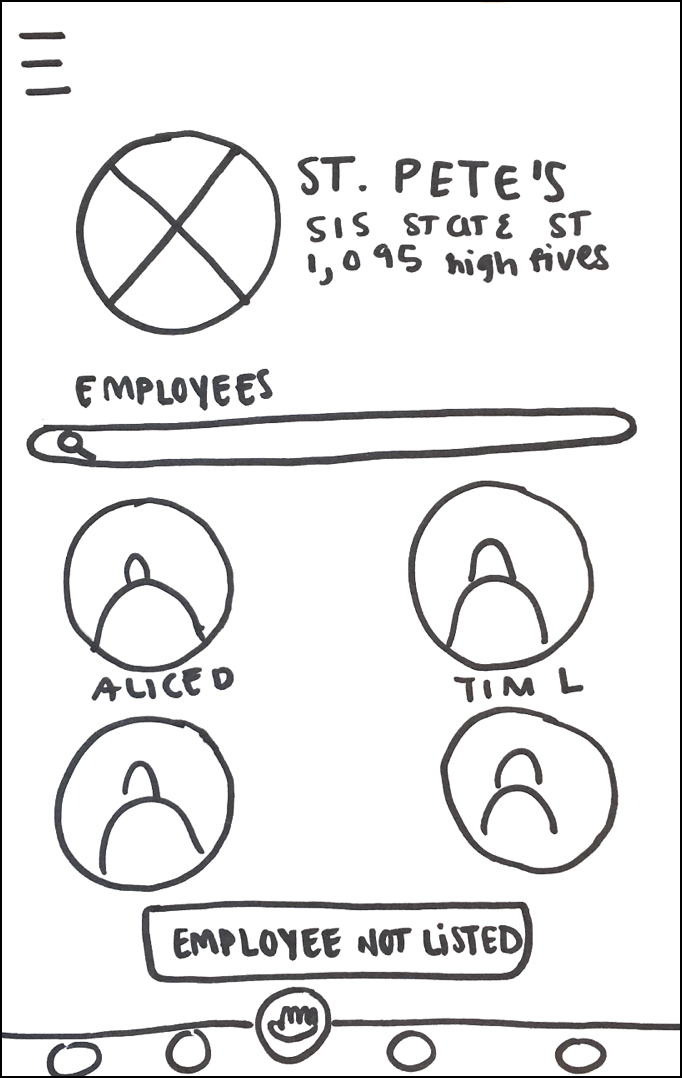
Early concepts explored map-based discovery and different employee-list layouts. Testing helped us focus on recognizable employee targets and a direct high-five action so patrons could move from place to person with less effort.
Fallback flow
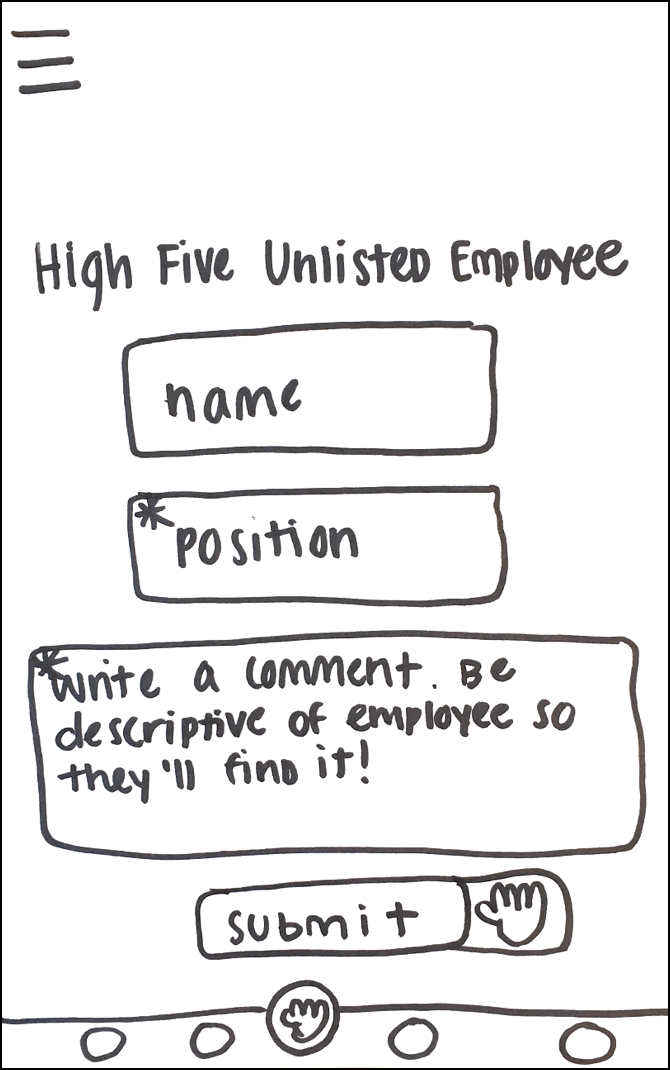
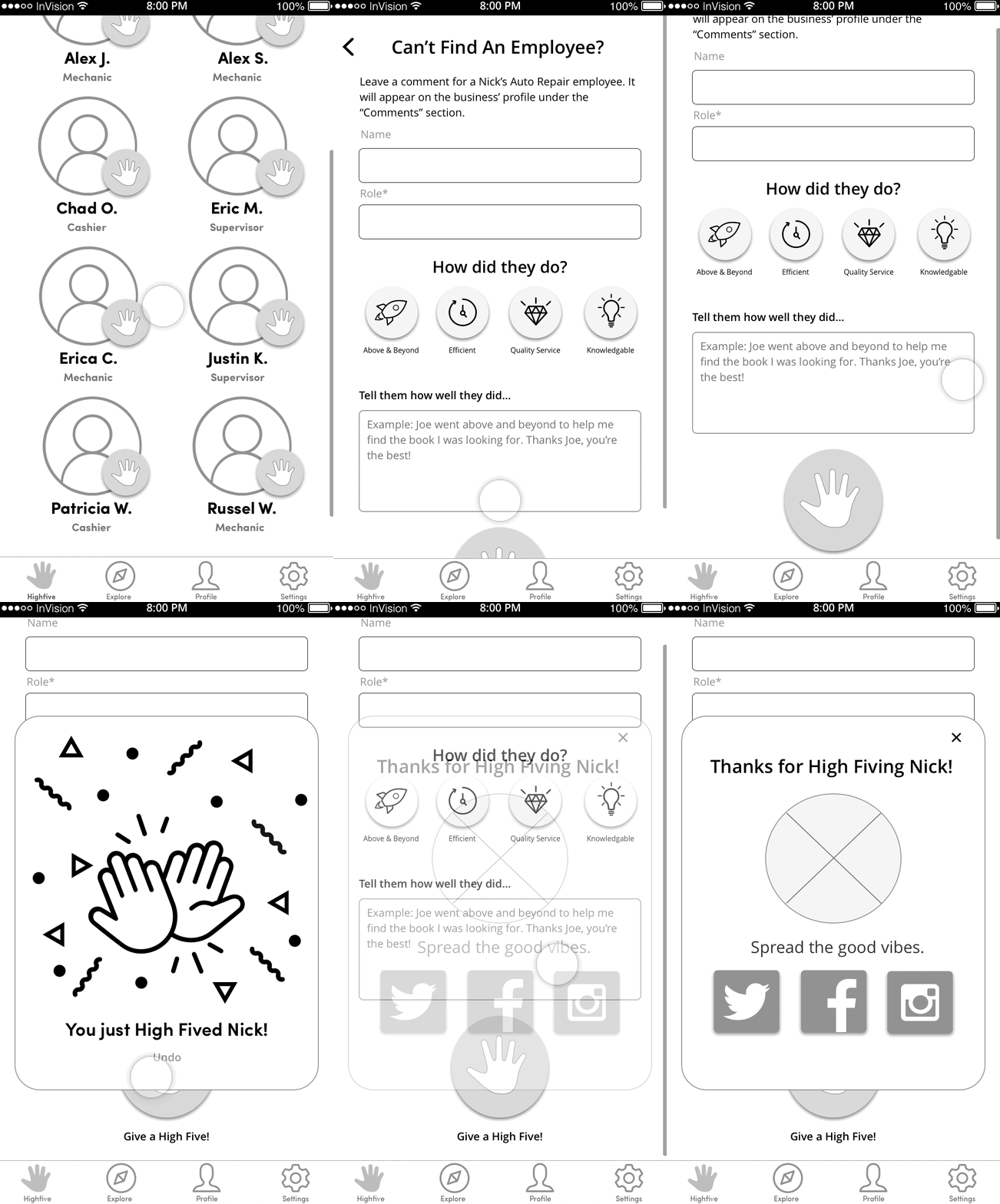
Because the product depended on a growing network, not every employee would already have a profile. We tested a lightweight fallback that asked patrons for enough identifying information to route the recognition without turning the moment into a long form.
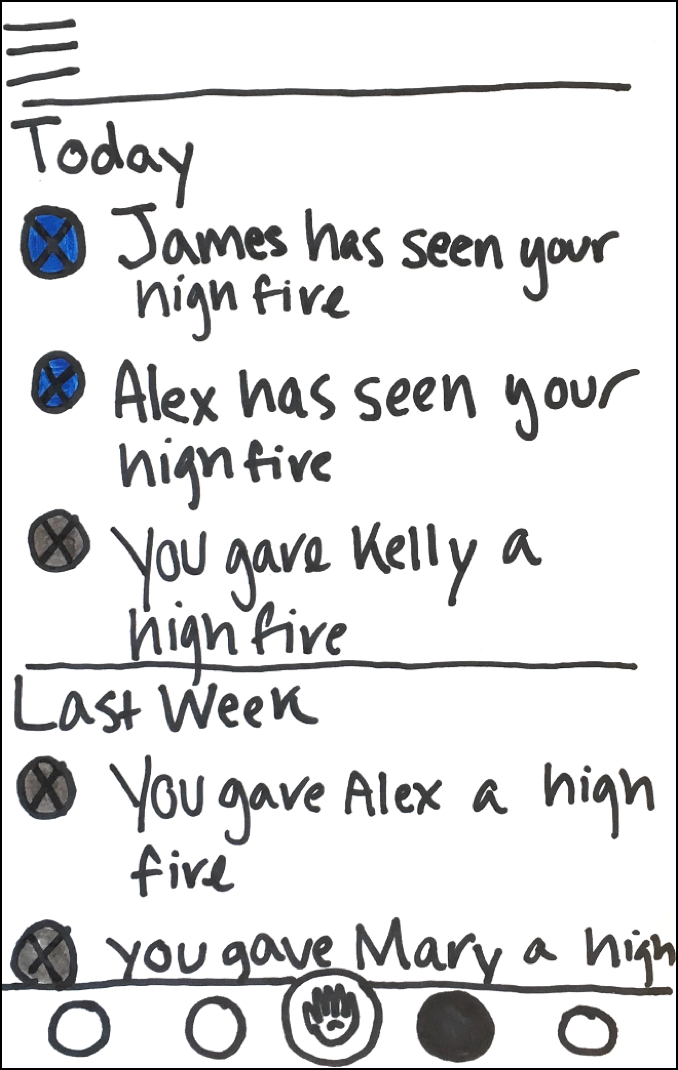
Recognition feed
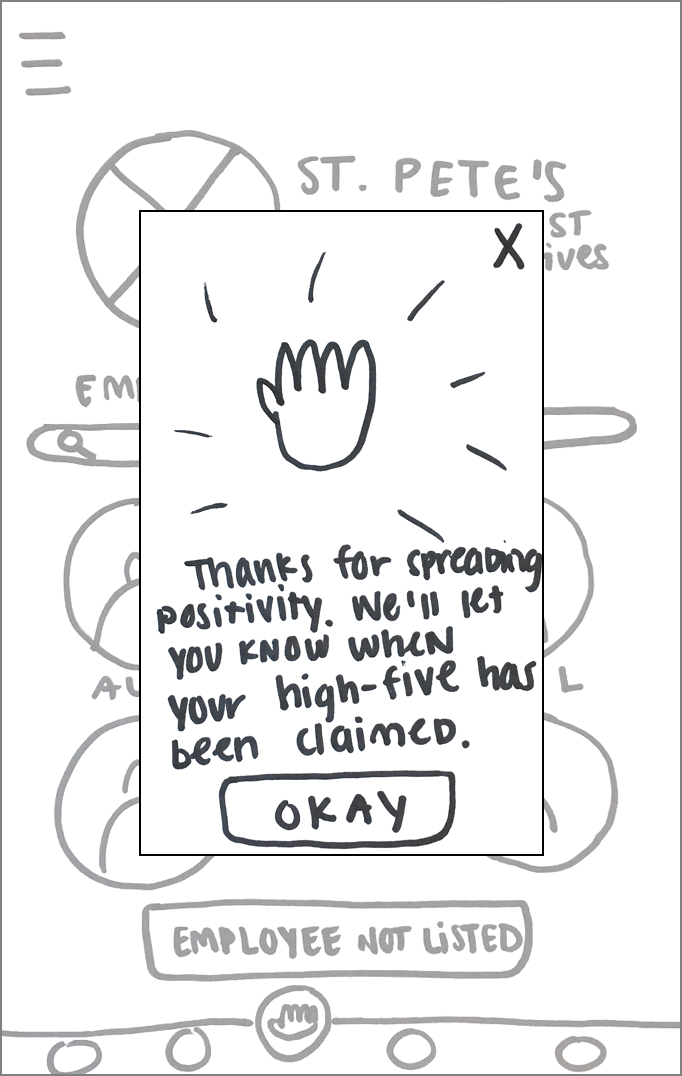
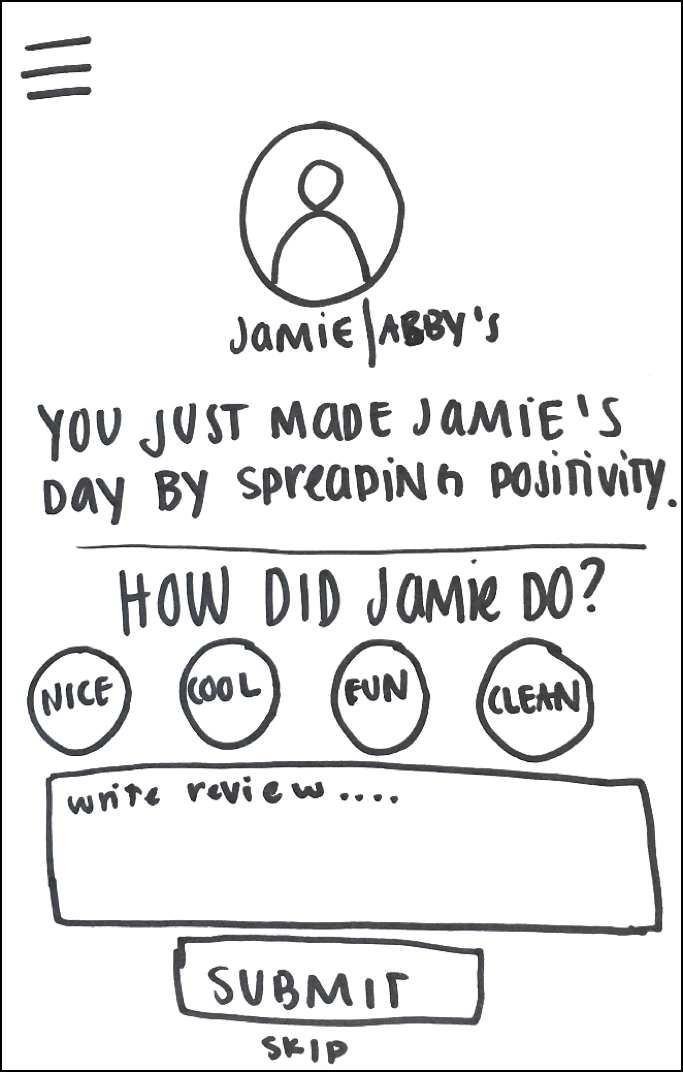
Research showed that recognition felt more worthwhile when patrons could see that it reached someone. We explored an immediate confirmation moment and an activity feed—similar to a lightweight social transaction feed—that showed when high fives were sent or seen.
07 · Refining the experience
We brought the strongest paper concepts into an InVision prototype and tested it with eight additional participants. The second round showed which interactions people could actually understand and use.
Finding 01 · Core action
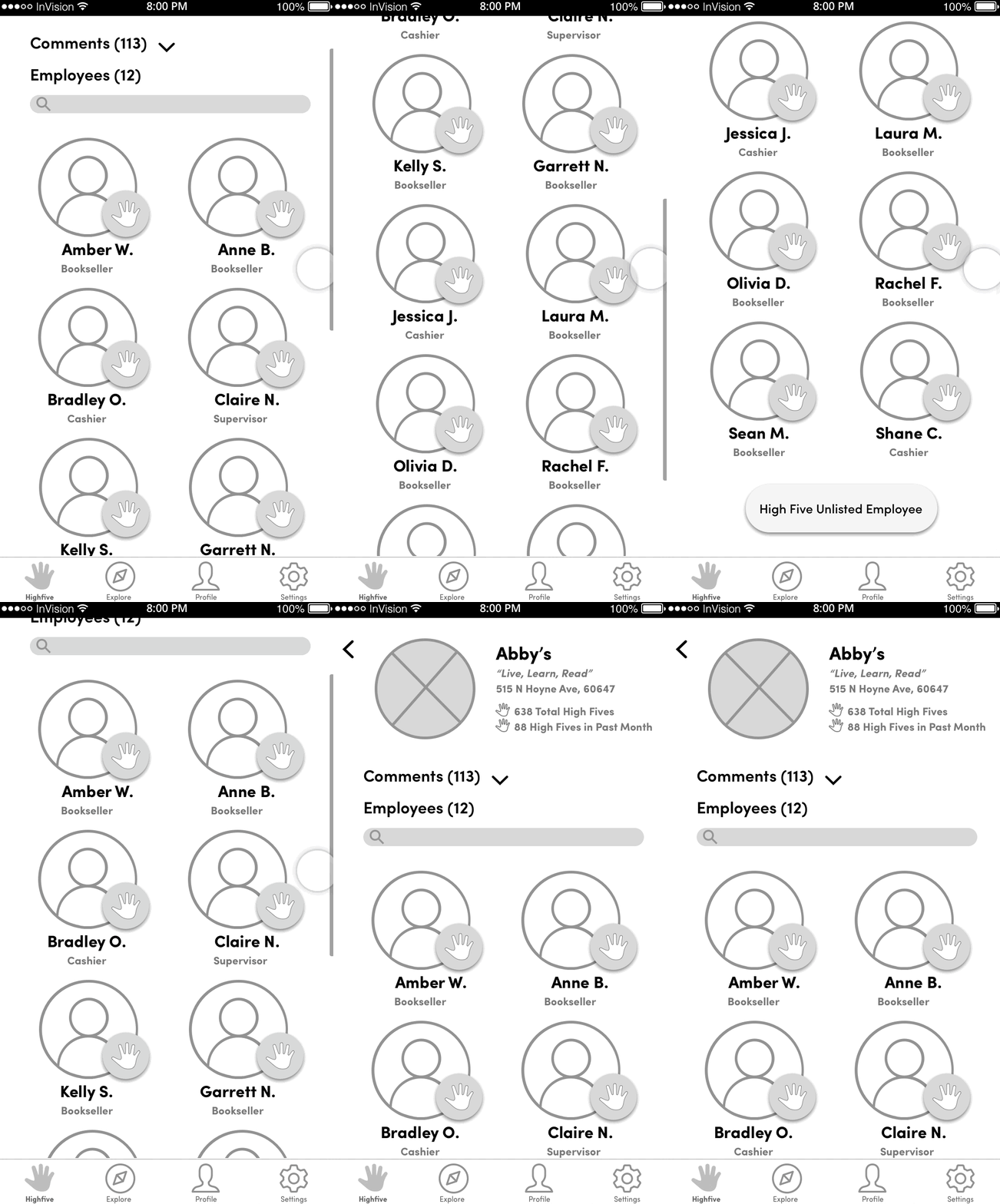
Participants were unsure whether to tap an employee photo or the hand control to give recognition. We made the high-five action more prominent and carried that behavior into onboarding so the primary interaction was introduced before users reached the employee list.
Finding 02 · Discovery
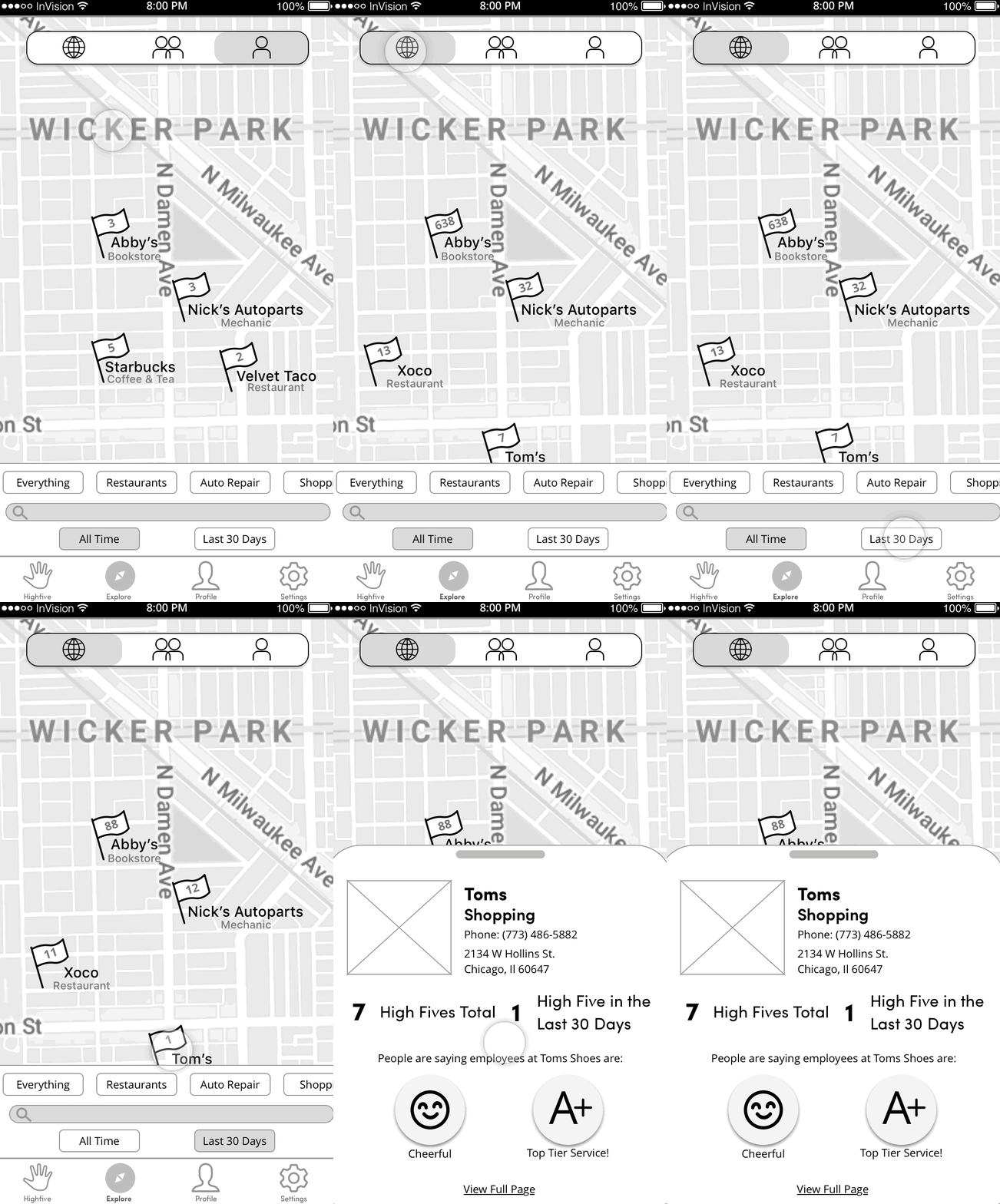
The map included business and time filters, but participants did not recognize the social toggle—even when they had used similar patterns elsewhere. We clarified the labels and consolidated filtering around search rather than asking users to interpret controls placed in different parts of the screen.
Finding 03 · Profiles & fallback
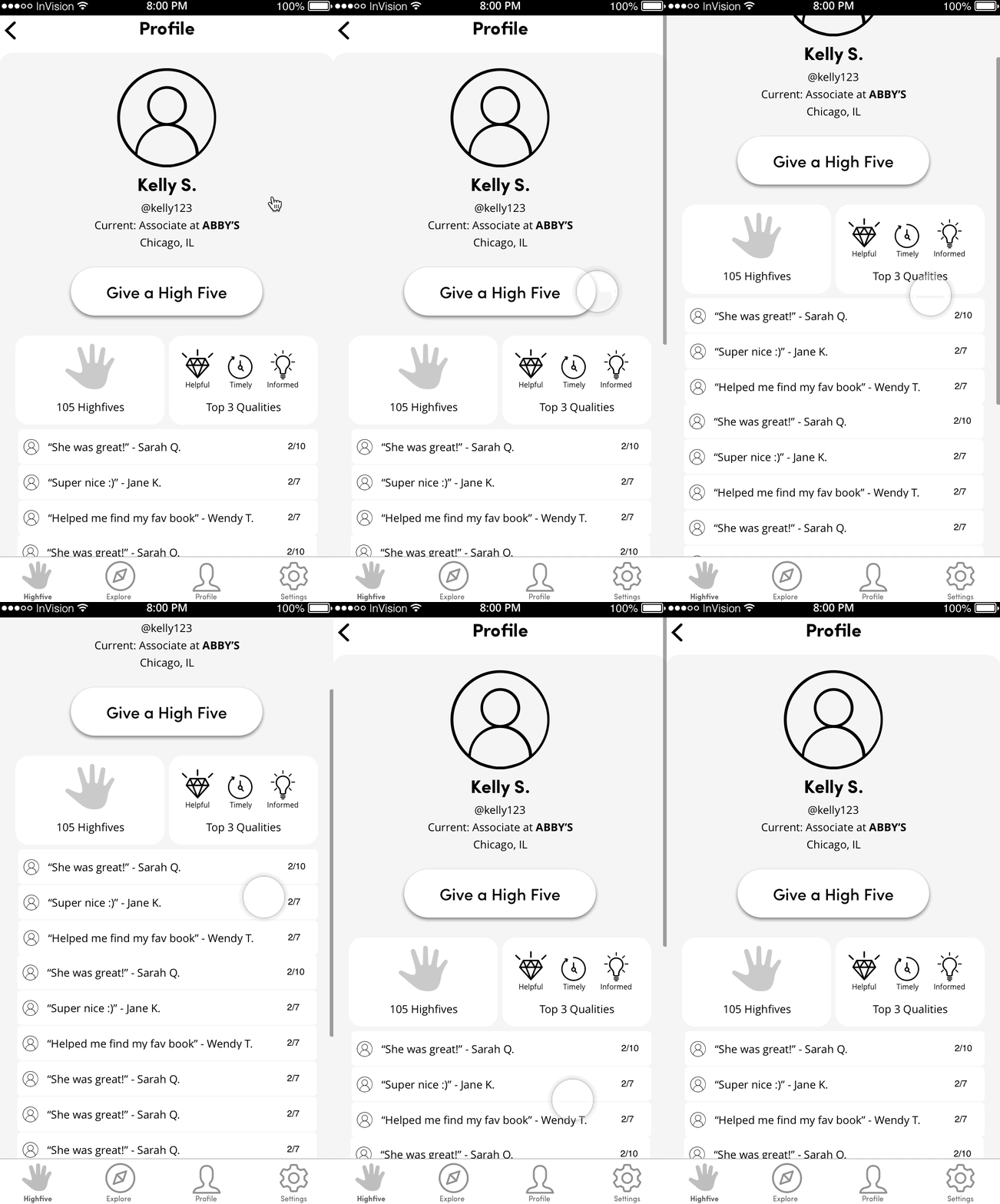
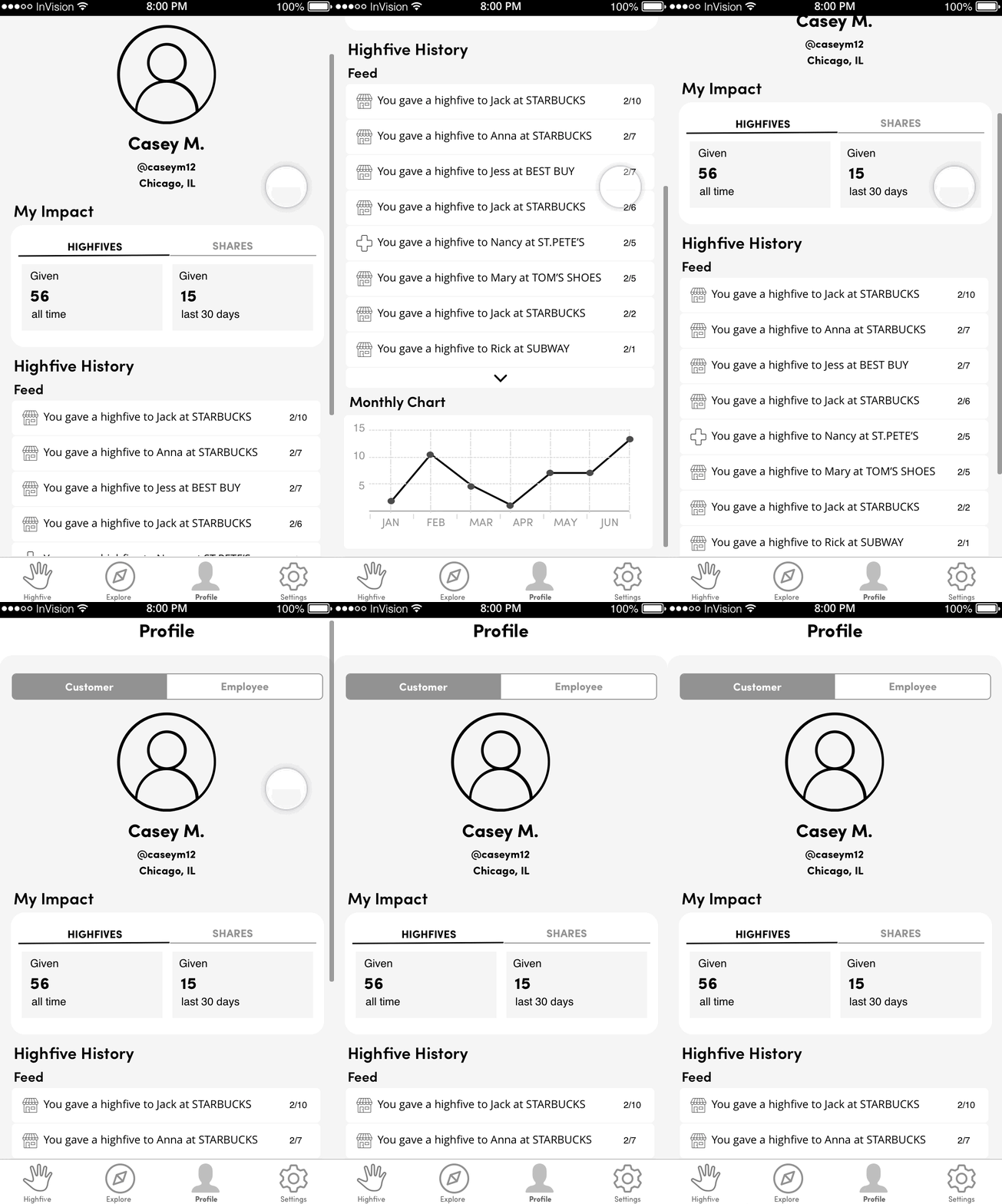
Testing surfaced confusion around switching between patron and employee views, as well as how much information to request when an employee was not listed. We simplified the patron profile, moved role switching out of the primary navigation, and kept the unlisted-employee flow lightweight so recognition did not turn into a long data-entry task.
08 · Final prototype
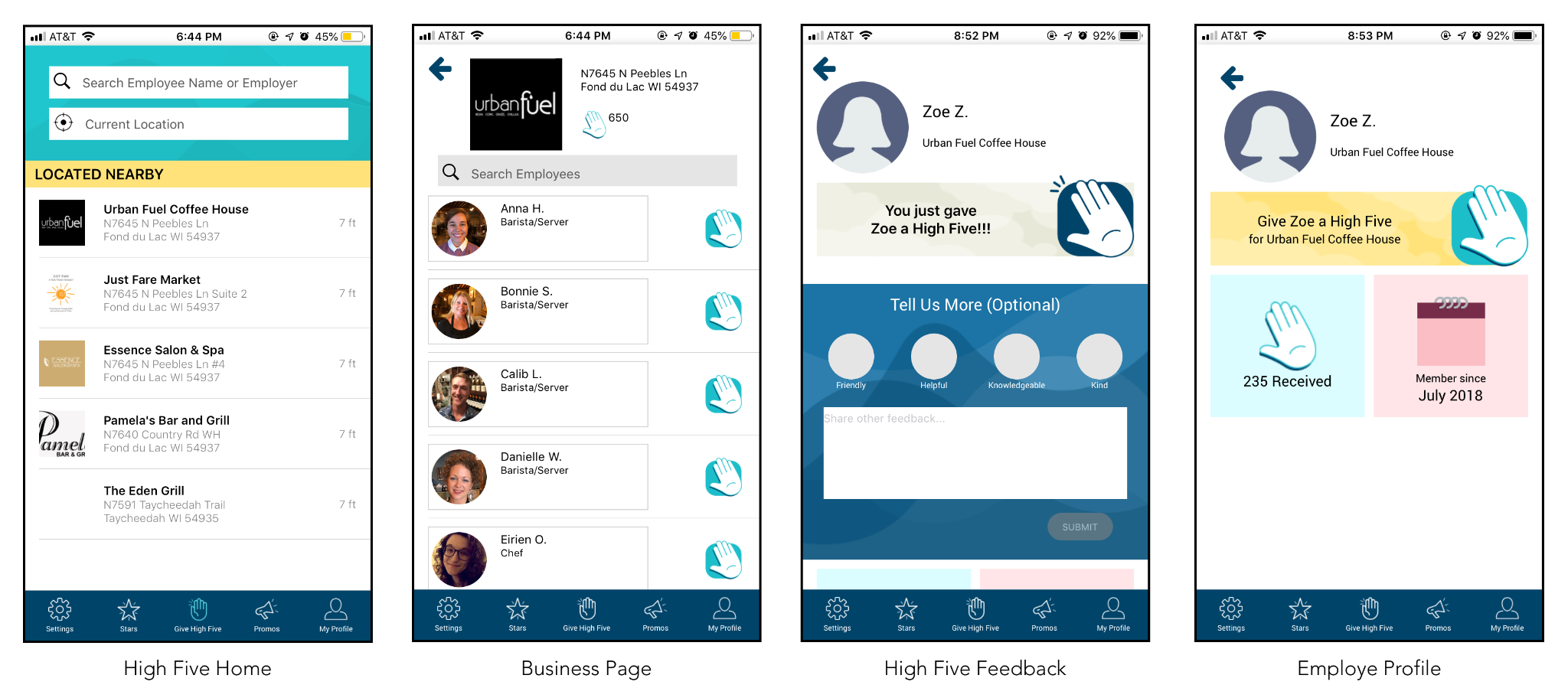
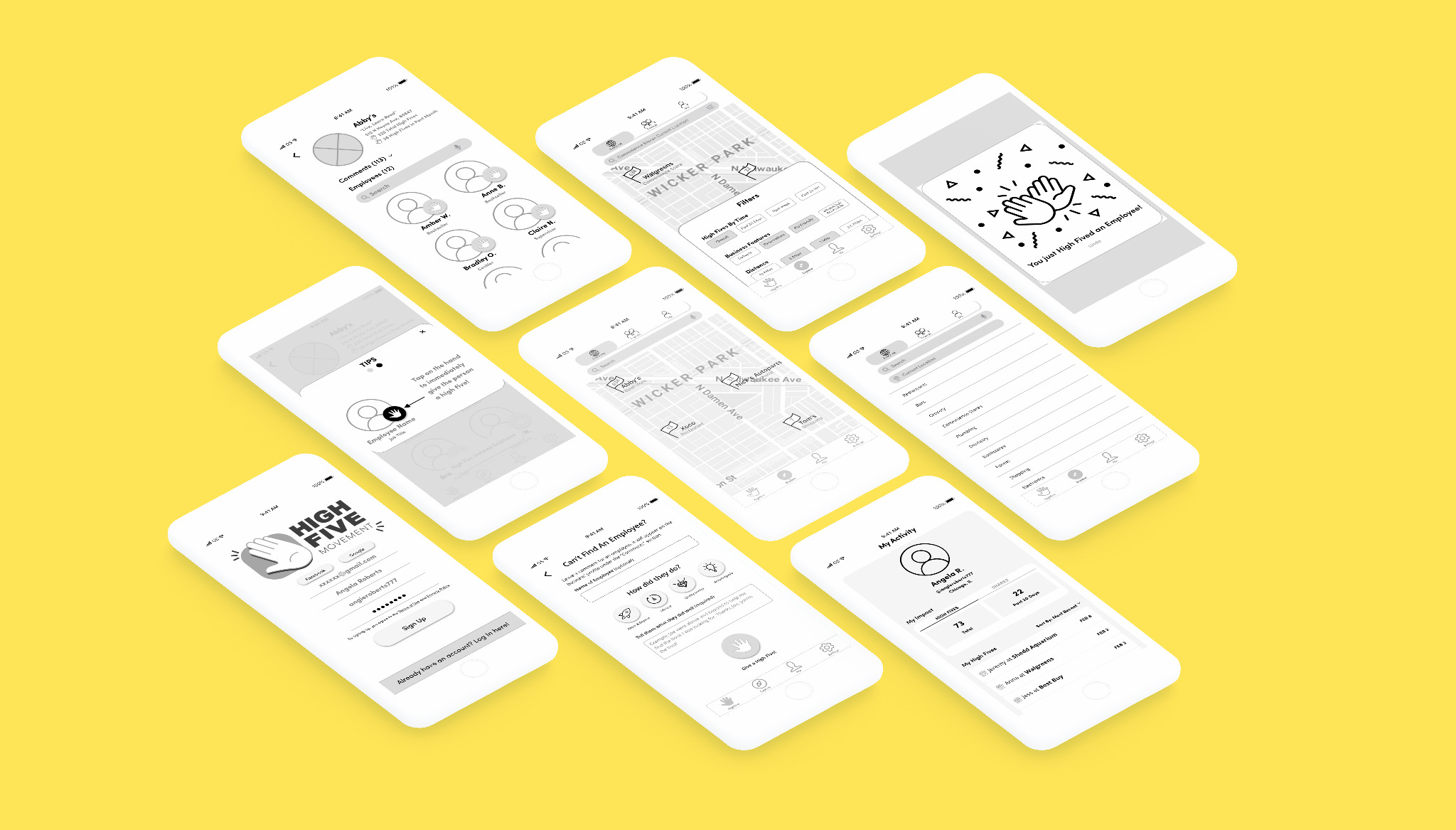
The final prototype brought together the strongest findings from both rounds of testing: clearer onboarding, a more prominent high-five action, simpler navigation, improved discovery controls, and a patron profile centered on personal impact.
09 · High-fidelity concept
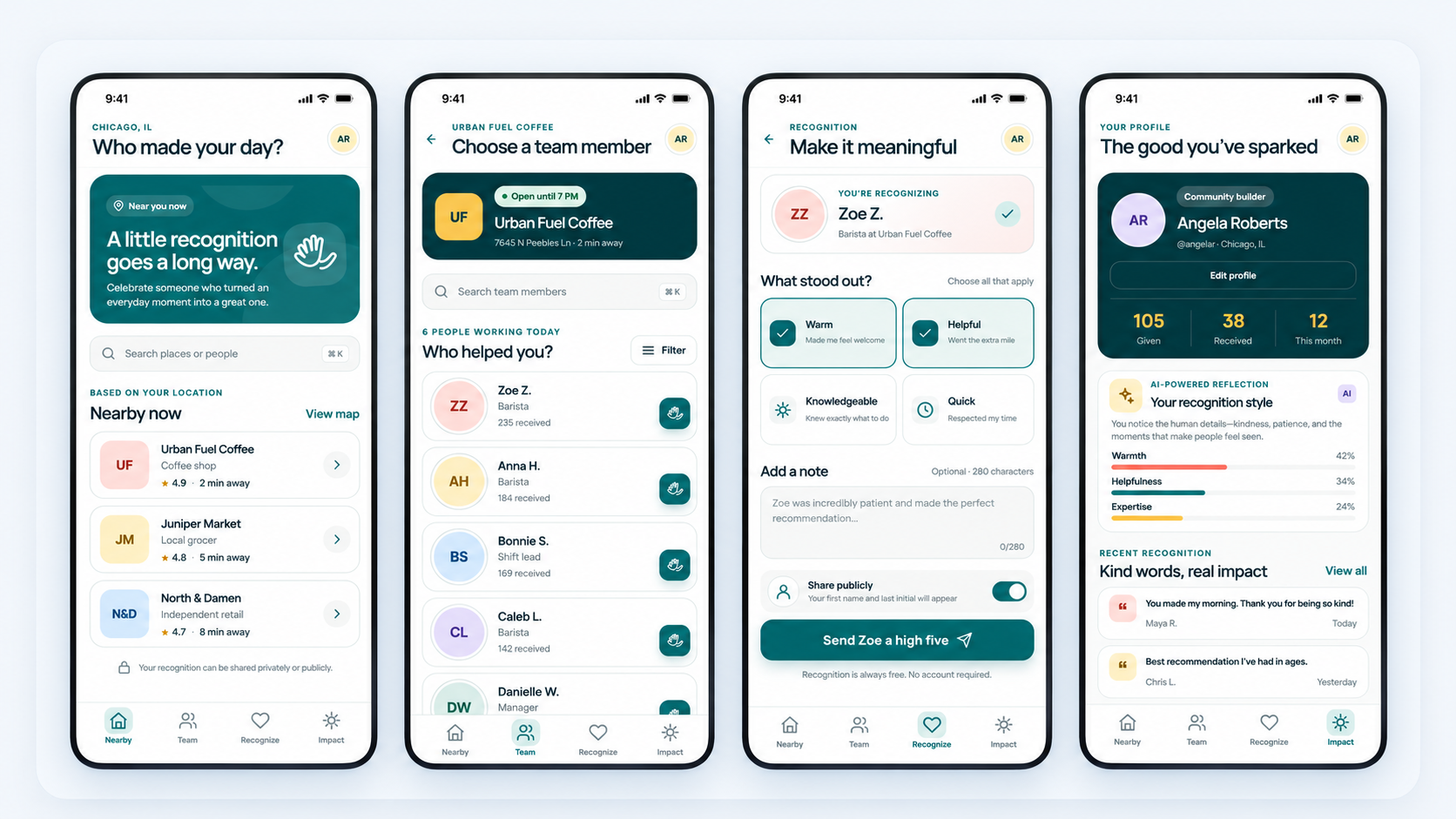
High-fidelity visual design was not part of the original project scope, so I later created a small set of polished concept screens to show how the experience could come to life. These later refinements were developed using a mix of traditional UI design and AI-assisted workflows.
10 · Outcome & reflection
The client responded positively to the problem framing and iterations, and said several features and flows were ideas they intended to incorporate into future versions of the product.
“There were features and flows we hadn’t considered that we intend to integrate in our product either immediately or in later iterations.”
Allie Capeless · CEO, High Five Movement
Reflection
Narrowing the sprint to patrons gave the team a more useful problem to solve and made the research and testing easier to act on.